PATIENT SUMMIT I STOCKHOLM
Publicerad torsdag 16 okt 2025, 16:52
NYHETERDen 14 oktober hade Boehringer-Ingelheim arrangerat en "Patient Summit", ett toppmöte om och för patienter och samarbetspartners inom hälsovården. Jag är ledsen att artkeln är skriven på engelska men jag hinner inte översätta. Om ni undrar över något, hör bara av er. Tove
Report from the Patient Summit, 2025-10-14 in Stockholm, arranged by Boehringer-Ingelheim
In the typical Swedish way the meeting started with breakfast and was accompanied during the work day by coffee breaks, and lunch with good and healthy food. A good way to share information, get to know each other and learn by eating good things.
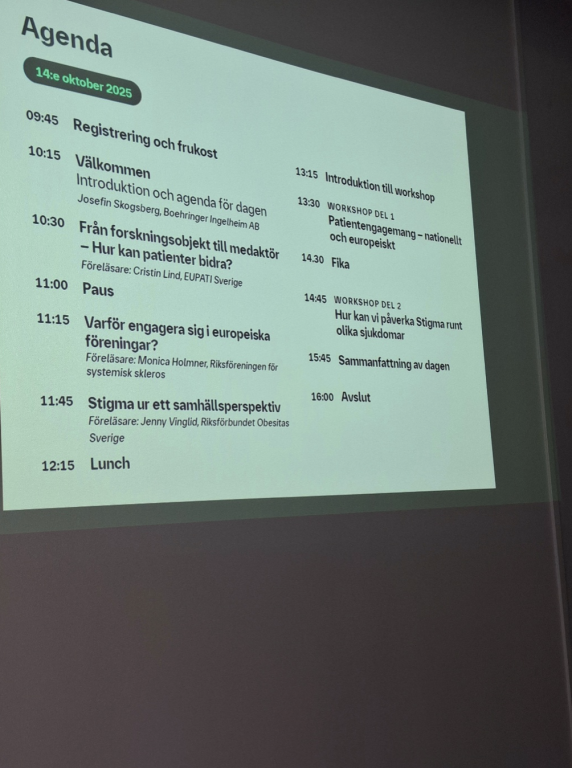
AM
EUPATI – How can patients contribute? Without the patients´ participation and contribution all research and treatment would become deficient. Furthermore, if a patient is active and participating it also promotes health, you get healthier if you take part in studies, research results and try to influence treatments and research methods. Patients should be an active part along the whole research process: Prioritize activities, design, planning, implementing, regulatory approval, use, follow-up and monitoring.
We can apply for funding by SBU (Statens beredning för medicinsk och social utvärdering).
EUPATI Sweden works with patient education, neutral meeting spots, tool development and information, makes sure that patient involvement stays on the agenda. BUT as important as it is to educate patients to become potent participants in research, equally as important it is to educate the researchers about the patient realities.
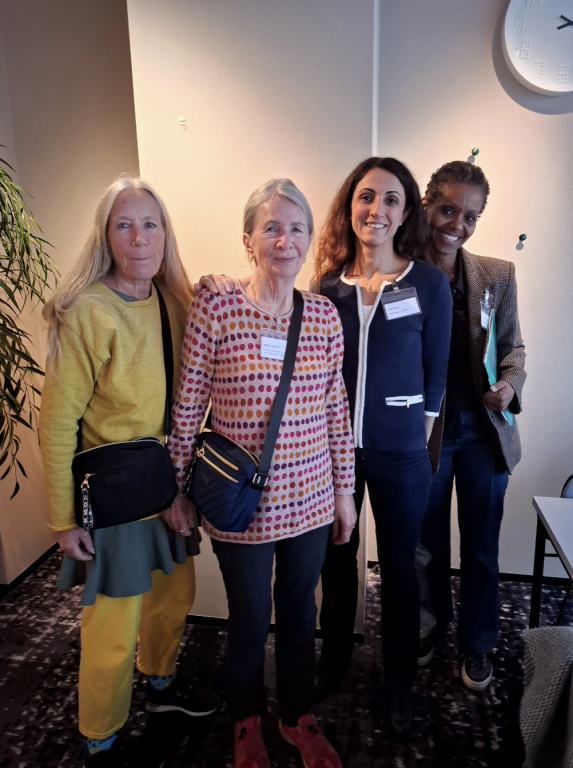
PM
Smaller groups for workshops. Why engage in European patient and health organizations? An introduction was made by Riksföreningen för systemisk skleros and by Rheumatikerförbundet.
A dream subject for a person like me, engaged as I am in ELPA and thereby all the national organizations in the ELPA-family group. What are the advantages, what are the challenges? I was very enthusiastic, more about the advantages than the challenges but both. Very interesting question.
Lecture about HIKS (Hitta Kliniska Studier= find clinical studies). Lif is the branch organization for research companies working in Sweden, they gather companies providing the health care sector in Sweden with medicine and develop the treatments of tomorrow. They work for highly qualified health care.
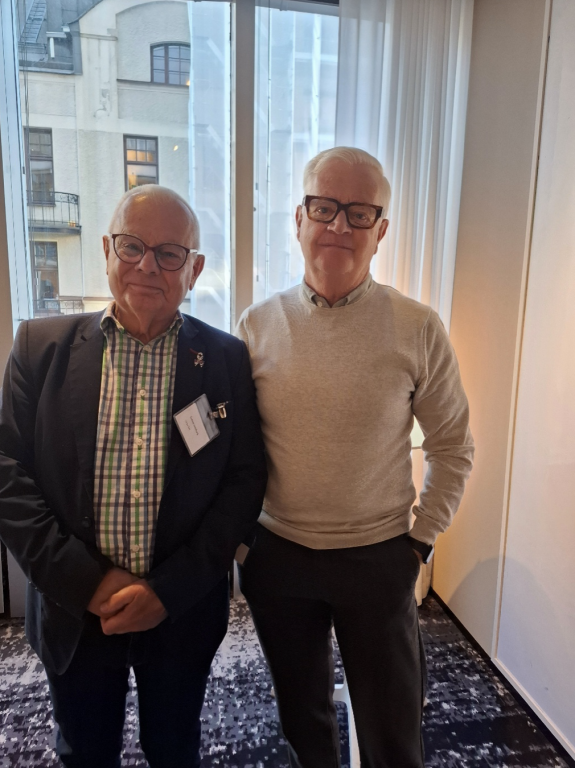
And then another workshop session: About stigma. And even though this is a subject I personally feel stated about most of the time, as so many misconceptions are allowed to dominate, I was very positively surprised.
Stigma was divided into 3 kinds by the Obesity organization: Self-stigma, social stigma and structural stigma. Very interesting distinction which led to a rewarding discussion, for instance about language, how we use a lot of expressions, which in fact might have a stigmatizing or guilt encumbering effect, like: “lifestyle, self-responsibility, motivation” etc or that certain diseases awake our empathy, while others irritate us, which makes stigma look and feel differently depending on what disease you have, how visible your symptoms are etc.
Other things discussed during the day was how patient organizations can influence the health care system and policy. What are the reasons behind the decisions that certain diseases get treated by experts only after referrals, while others do not request one? Transplantation difficulties are a burden in Sweden, not only because of structural impracticalities but also because the Swedish population generally is a poor donor and finally what are the possibilities and challenges we meet whenever specialist care is needed?
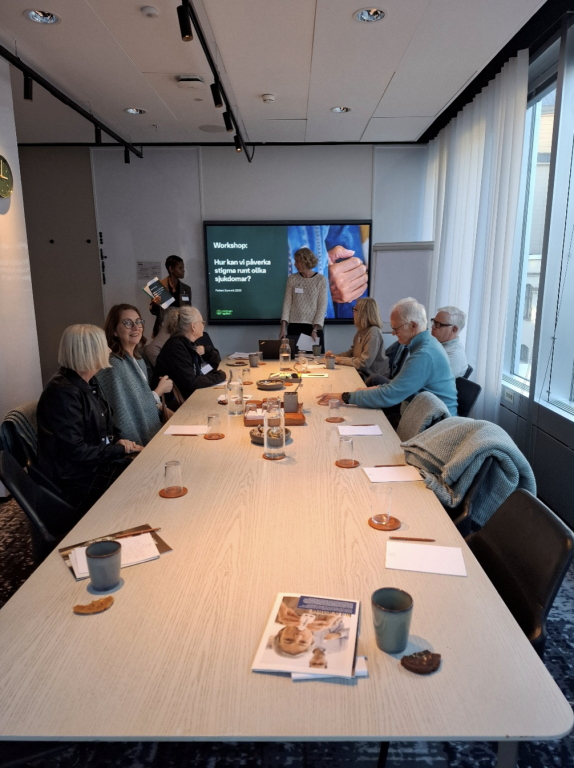
We finished the meeting with a workshop constructed according to the Disney model. The dreamer, the realist (concretion prone) and the evaluator. I might have been tired by then but I am rarely very impressed by readymade discussion models. However the participants this time were really able to lift a discussion from cliches to originality, so it was quite fun.
Thank you!
Tove